

The Objective
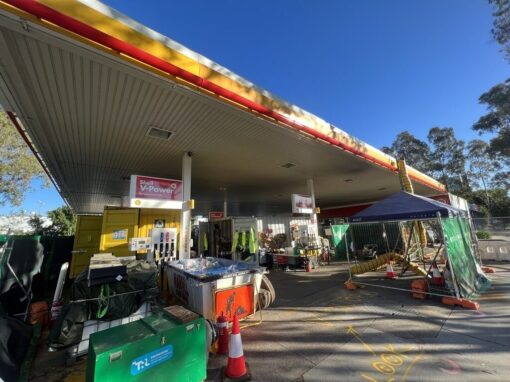
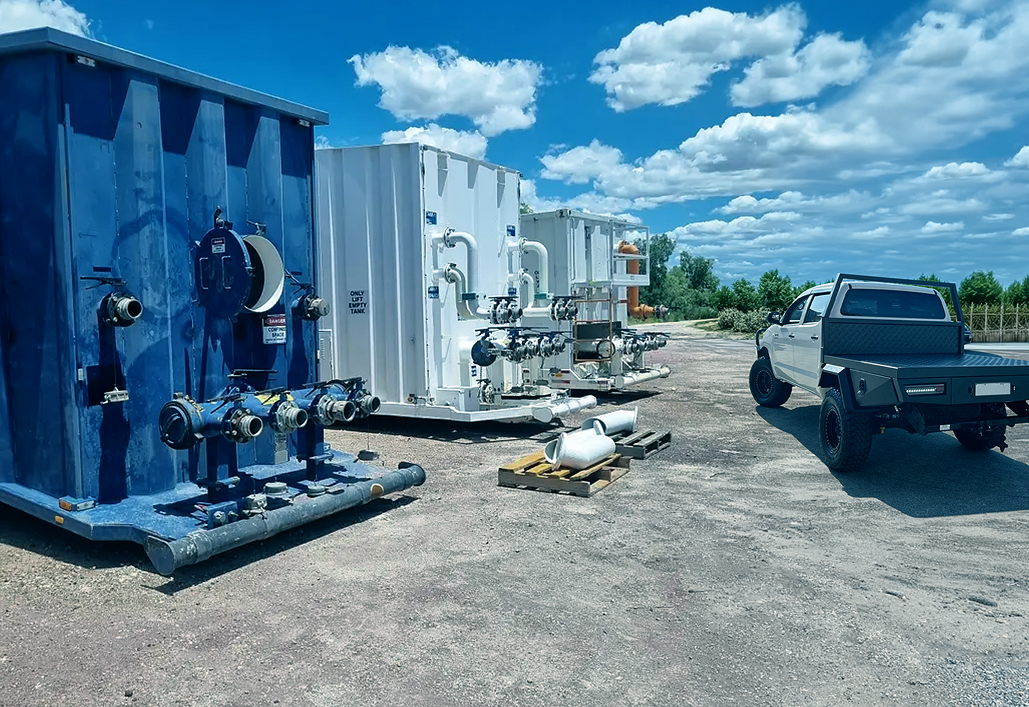
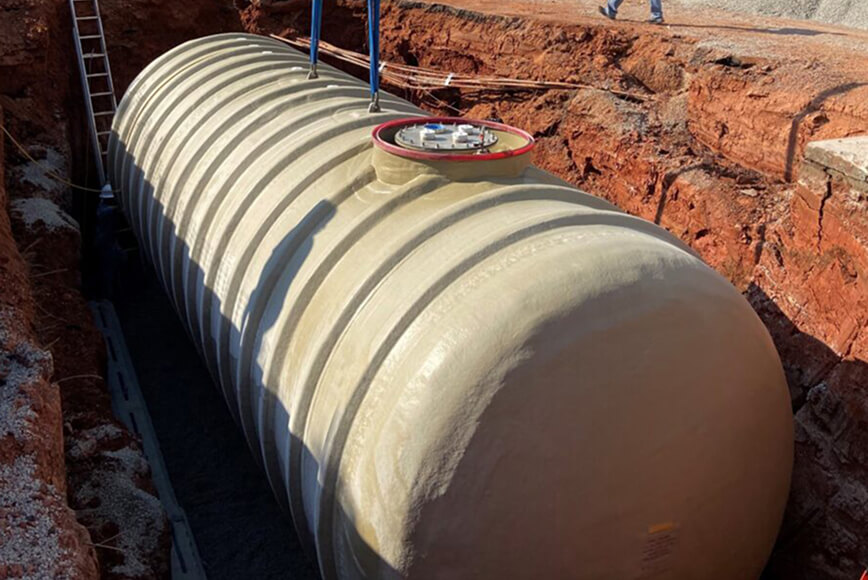
The primary objective was to refurbish the three existing tanks without requiring their complete removal and replacement.
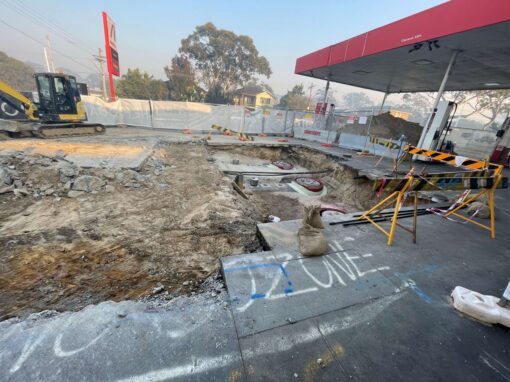
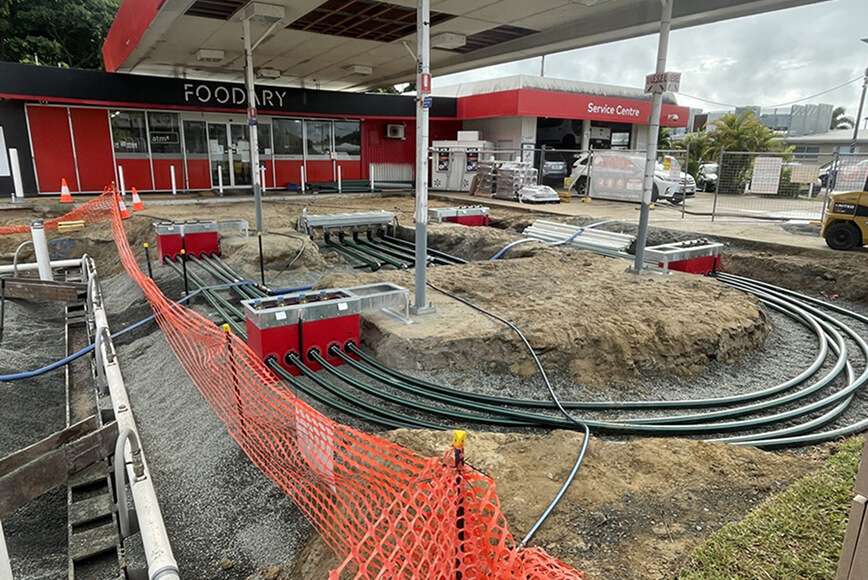
Underground tank replacement can involve extensive excavation, disruption to surrounding infrastructure and significant civil reinstatement. By relining the existing FRP tanks, the project could retain the surrounding tank installation while renewing the tanks’ internal structural and corrosion protection system.
The works also needed to produce a completed installation that could be inspected, tested and documented. This required careful control of surface preparation, laminate application, curing conditions and quality records throughout the project.
Internal scanning formed part of the final verification and closeout process. The scans provided an accurate digital record of the completed tank interiors and supported the production of updated tank capacity information.
Project Challenges
Compressed Delivery Program
The NPD Alexandra works formed part of a wider delivery program, with other projects underway simultaneously and further project commitments scheduled immediately afterwards.
This created a limited window in which to complete the three-tank relining scope. A conventional approach of completing each tank sequentially would have extended the program and affected the availability of specialist personnel and equipment for upcoming works.
The project therefore required a delivery strategy that could shorten the overall timeframe while maintaining consistent safety, technical and documentation standards across all three tanks.
Cold Winter Conditions
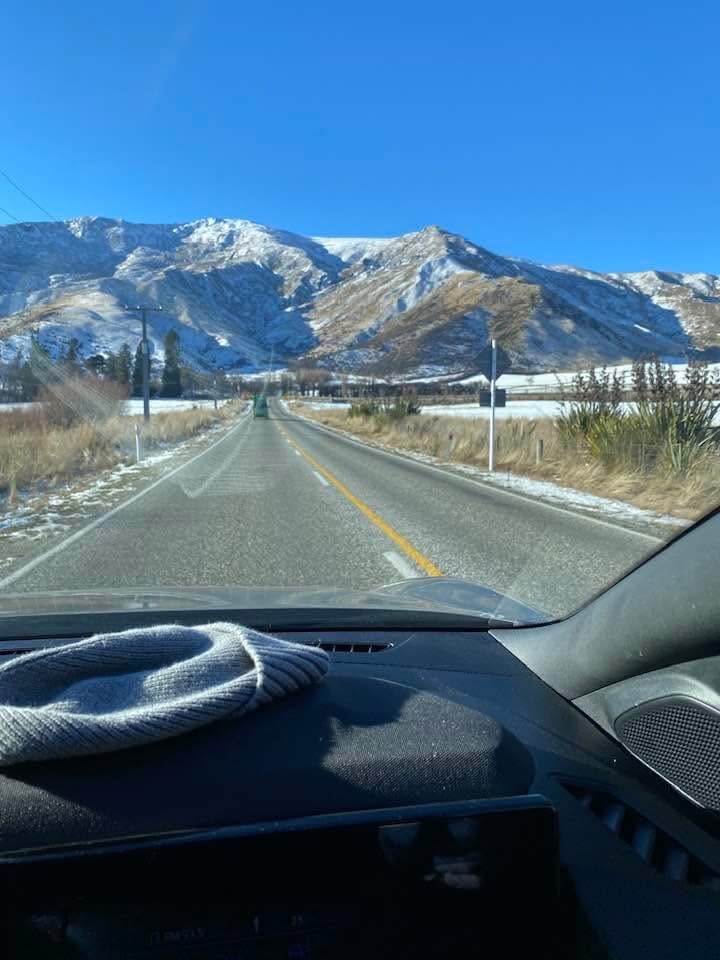
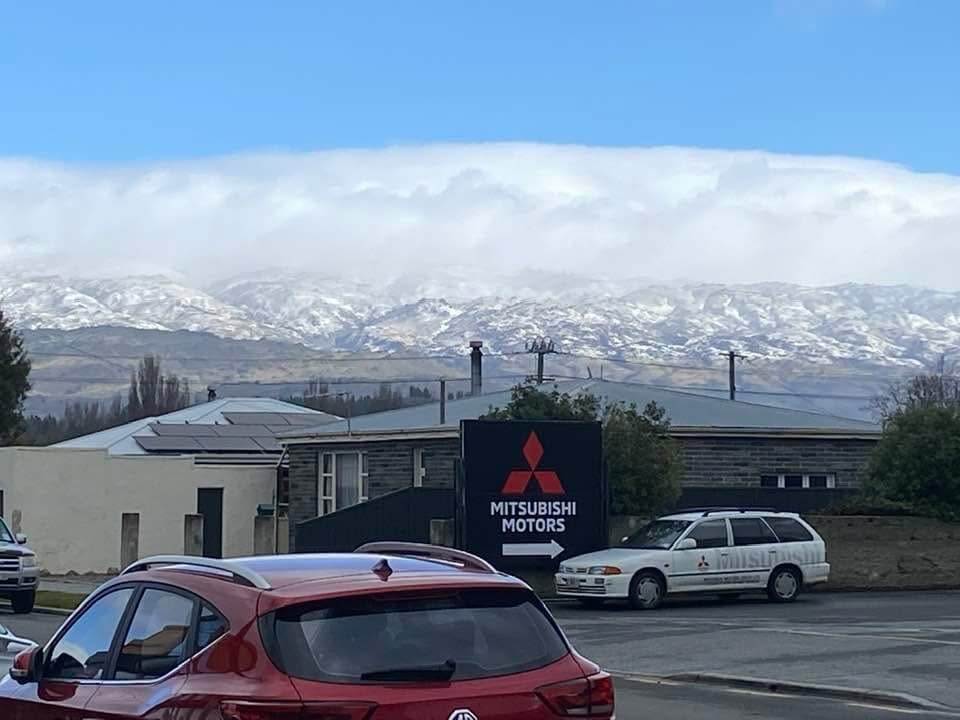
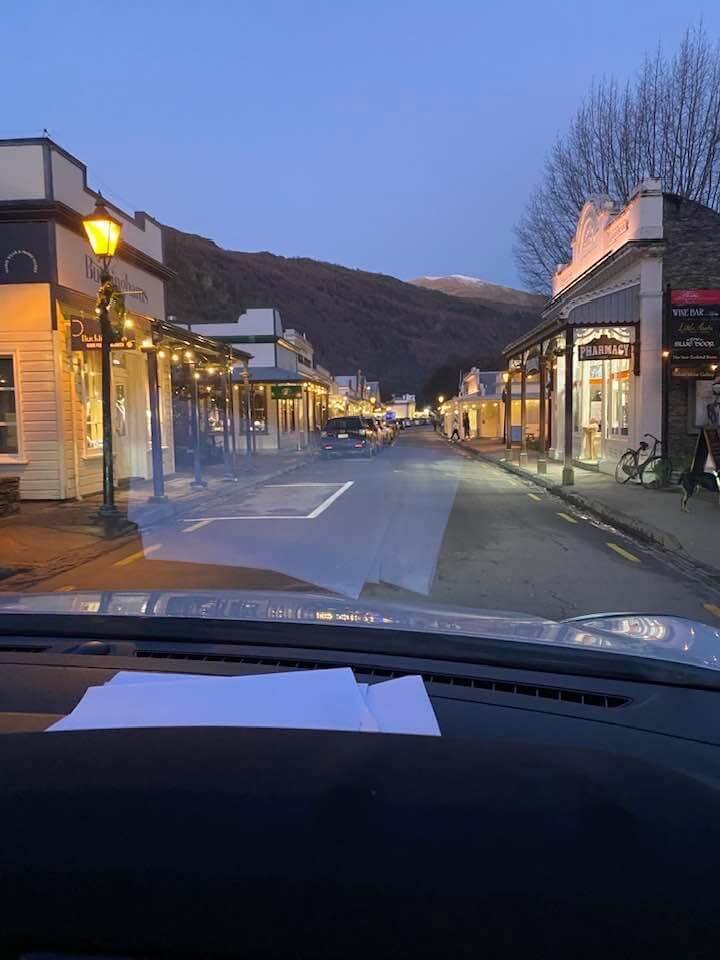
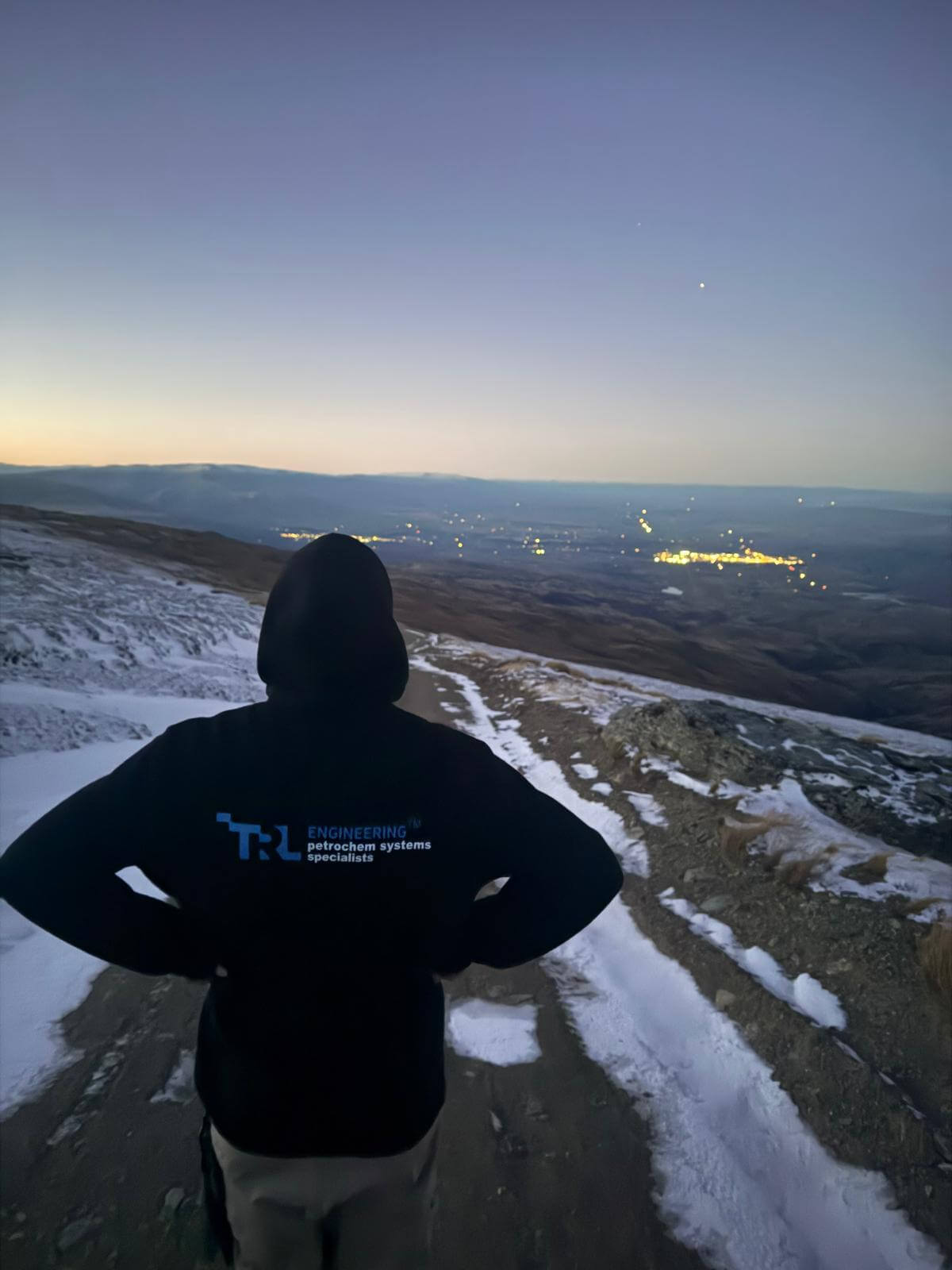
The project was delivered during winter in Alexandra, where consistently low ambient temperatures presented challenges for both the technicians and the FRP installation process.
Temperature directly affects resin behaviour, working time and cure performance. If these conditions are not properly managed, they can affect productivity and the quality of the completed laminate.
Regional Supply Constraints
Alexandra has fewer specialist suppliers and equipment servicing providers than larger New Zealand centres. Replacement parts, specialist consumables and technical servicing could not always be sourced locally at short notice.
This meant procurement, equipment reliability and contingency planning were particularly important. A minor equipment issue had the potential to cause a significant delay if the required support had to be arranged from another region.
TRL’s Solution
Parallel Work Teams and Document Control
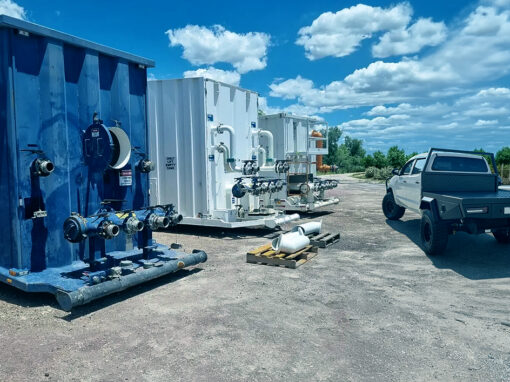
TRL mobilised two complete work teams to progress separate tanks simultaneously. This allowed surface preparation, laminate installation and supporting activities to proceed across two work fronts, significantly reducing the overall project duration.
Operating two teams simultaneously also increased the coordination and documentation requirements. Each work front required its own confined-space permits, entry records, daily safety documentation, quality inspections and installation records. This effectively doubled the volume of active project documentation compared with a single-team delivery model.
A TRL project engineer maintained oversight of both work fronts, coordinating work sequencing, resource allocation, permit control and document management. This ensured each tank remained separately documented and traceable throughout the project.
Coordinating Two Simultaneous Work Teams
TRL divided the available personnel and equipment into two coordinated work teams, allowing separate tanks to progress simultaneously.
Activities were carefully sequenced across the two work fronts to coordinate surface preparation, laminate installation, curing, inspections and supporting activities. Materials and specialist equipment were allocated in advance to reduce the risk of one team delaying the other.
Each tank and work team was supported by a separate controlled set of project records. This included confined-space permits, entry documentation, daily safety records, quality inspections and installation records.
The project engineer coordinated the two work fronts and maintained oversight of permitting, technical requirements and documentation. This structure allowed TRL to meet the accelerated program while retaining clear and traceable records for each tank.
Managing Cold-Weather Installation
TRL applied its experience with FRP materials to manage resin performance under the colder site conditions.
Chemical ratios were carefully controlled within the material requirements to suit the ambient conditions and achieve the required cure.
Diesel-powered heating was also used where required to maintain more suitable working and curing conditions.
This supported consistent laminate application while also providing a safer and more workable environment for technicians completing detailed manual work inside the tanks.
Cure condition and laminate quality were monitored throughout the installation rather than relying only on a final inspection.
Establishing Regional Supply Support
TRL established working relationships with the limited number of suitable local suppliers available in the Alexandra area. This improved access to general materials, consumables and local support during the project.
Where specialist assistance was unavailable locally, TRL coordinated servicing providers from larger centres, including Christchurch.
Equipment requirements and critical consumables were planned in advance to reduce the risk of interruptions.
This approach allowed the project team to respond quickly when additional materials or technical support were required.
Project Outcomes
TRL successfully completed the relining scope across all three underground tanks within the required June to July delivery window, while continuing to support its wider project commitments.
The project demonstrated TRL’s ability to:
- Deliver a three-tank relining scope within a compressed program
- Coordinate two simultaneous confined-space relining teams
- Maintain consistent installation and documentation standards across multiple tanks
- Deliver specialist tank relining works in cold and remote regional conditions
- Adapt FRP installation processes to suit challenging ambient temperatures
- Manage limited local access to specialist supplies and technical support
- Develop project-specific access and confined-space safety controls
- Provide engineering and technical oversight throughout the installation
- Deliver an integrated service covering relining, testing, scanning and closeout documentation
Conclusion
The NPD Alexandra project required more than the installation of an internal tank lining. Its successful delivery depended on parallel work-team coordination, careful winter working controls, forward logistics planning, and site-specific access systems.
By operating two teams simultaneously, TRL was able to progress the three tanks within the required project timeframe. Separate and controlled documentation was maintained for each work front, providing clear traceability across the installation, inspection and closeout stages.
The project provides a strong example of how existing underground tank assets can be refurbished through a controlled and documented relining process, even under an accelerated schedule and challenging regional conditions.
TRL Engineering is ready to bring our expertise to your next project.
Our team is available to discuss your requirements - whether you’re planning a new installation, upgrading an existing site, or navigating compliance.